




What is a lateral file cabinet?
MadeHallThe short answer
What is a lateral file cabinet?
A lateral file cabinet stores documents across a wide drawer face and usually sits along a wall or shared storage zone. MadeHall offers a free space plan in 3 business days, with quantity pricing from 2 units. Delivery and installation are available in select areas — confirm by ZIP code.

What makes a cabinet lateral?
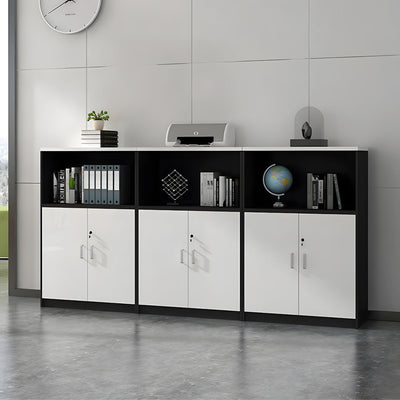
A lateral cabinet presents a broad drawer front and places filing space across the cabinet width. It often uses more wall width than a narrow vertical cabinet while projecting less deeply into the room when closed. The category name describes the general form, not the exact folder orientation or capacity.
Ask for the selected model’s exterior and interior drawings. Drawer rails, dividers and hanging-file parts determine how documents sit. A wide drawer is not proof that every letter or legal folder format fits.
How does a lateral cabinet differ from a vertical cabinet?
A vertical cabinet uses a narrower face and stores files farther from front to back. A lateral cabinet spreads storage across a wider front. Either can work well when its drawer fittings match the organization’s documents and the open drawer fits the room.
Compare closed footprint, open-drawer projection and standing access. A narrow cabinet may still block an aisle when open, while a wide cabinet may conflict with doors or wall equipment. Use the measured room rather than the label alone.

Where should a lateral cabinet be placed?
Place the cabinet where intended users can reach it without opening drawers across a primary walking route. Mark doors, switches, service panels and nearby chair movement. Shared files should not require one person to enter another person’s workstation.
Coordinate cabinet placement through the office team workspace and storage page. Follow the selected manufacturer’s anchoring, loading and use instructions, and retain those instructions with the room schedule.
What should be confirmed before ordering?
Confirm the cabinet SKU, exterior dimensions, interior drawer size, folder orientation, included rails, lock operation, finish and stability provisions. Identify the documents or supplies assigned to every drawer. Then verify delivery access and the space needed to open the cabinet in its final location.
Browse file and storage cabinets, then send a measured plan through custom projects when several cabinets or coordinated finishes need review.
How should the product decision be recorded?
Keep the selected SKU, dimensions, finish, included components and room assignment with the quotation. Add the product drawing and manufacturer instructions when they affect fit, loading, assembly or use. If the item changes, review the new configuration against the same room and purpose.
This record supports receiving and later reorders. It also prevents a similar product name or image from replacing the exact approved details without review.
