


Ready-to-assemble vs fully assembled furniture

MadeHall

The short answer

Should a project choose ready-to-assemble or fully assembled furniture?

Choose from the product, building access, available labor, inspection needs and service scope. Ready-to-assemble furniture arrives in parts for site assembly; assembled furniture arrives as a complete piece or larger sections. Confirm packaging, doorway and elevator access, installation responsibility and damage-reporting steps before ordering.

Furniture can arrive as ready-to-assemble parts, larger assembled sections or a fully assembled piece, and each route changes access, labor and receiving. MadeHall offers a free space plan in 3 business days, with quantity pricing from 2 units. Delivery and installation are available in select areas — confirm by ZIP code.

Editorial view for ready-to-assemble vs fully assembled furniture

What does ready to assemble mean?

Ready-to-assemble furniture arrives as components that are joined at the destination. Packaging may be easier to move through narrow access, but the project must provide the correct assembly process, tools, space and labor. Parts should be checked against the model instructions.

Confirm whether the shipment includes all hardware and which manual applies. Do not drill, alter or force parts when holes or components do not match; document the issue and request product support.

What does fully assembled mean?

Fully assembled furniture arrives as a complete piece or as larger factory-assembled sections. It can reduce on-site assembly tasks, but the package may be heavier or larger and require more access planning. Crates or protective packaging also need receiving and removal space.

Ask whether the product truly arrives complete or still needs legs, handles, returns or other sections attached. Define the term in the quote rather than relying on a category label.

Planning view for ready-to-assemble vs fully assembled furniture

How do packaging and access affect the choice?

Compare carton or crate dimensions with loading areas, elevators, doorways, corridors and turns. Measure the narrowest point and identify stairs or floor protection requirements. The assembled furniture footprint cannot prove that its package reaches the room.

Plan a staging area for inspection and assembly. Keep room labels visible so packages for several spaces are not mixed during receiving.

How should service and risk be compared?

Compare freight, delivery point, inside movement, assembly, placement and packaging removal as separate scope elements. Decide who inspects packages, records damage and controls parts. Keep the correct instructions and hardware with each SKU.

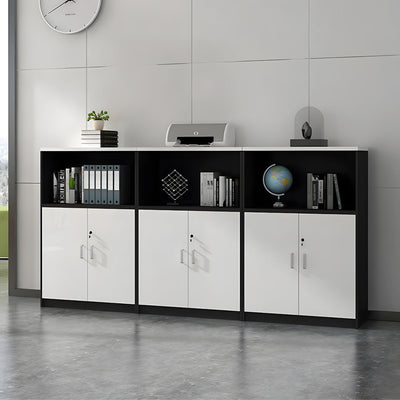
Browse file and storage cabinets, review the team workspace page, and send access details through custom projects.

Product detail for ready-to-assemble vs fully assembled furniture

The room and access facts, written approvals, pre-delivery checks and post-order records that apply to every furniture order are covered in What an office furniture quote should include.

Related guides and cases

Back to blog

Frequently asked questions

How can I find out how many packages will arrive?

Package count and dimensions depend on the exact SKU, configuration and shipping method. Ask for available packaging information and compare it with the receiving and access plan. Repeated furniture may still ship in separate cartons or crates. Record each expected package by product and room so receiving staff can identify missing pieces without opening unrelated packages. Keep the confirmed answer with the current project record.

Does delivery include assembling ready-to-assemble furniture?

Assembly is included only when the written quotation identifies it. Standard delivery is to the curb. Ask whether inside movement, assembly, placement and packaging removal are included for the selected products and location. Share loading access, elevators, stairs and receiving hours before pricing. Services are available in select areas — confirm by ZIP code. Keep the confirmed answer with the current project record.

What should I do if the assembly instructions are missing?

Stop before guessing at the assembly sequence. Locate the product SKU, order reference and package labels, then contact MadeHall with clear photos of the parts and any included manual. Explain what is missing or inconsistent. Keep hardware organized and do not alter panels or drill new holes while the correct instructions or product-specific guidance are being checked. Keep the confirmed answer with the current project record.

What if holes or parts do not match during assembly?

Pause assembly and document the product label, affected panels, holes, hardware and current step with clear photos. Compare the manual and package references, but do not force parts, drill new holes or continue in a way that may create damage. Send the order and SKU information to MadeHall so the product team can check the applicable instructions and components. Keep the confirmed answer with the current project record.

How should shipping damage be documented?

Photograph the package before opening, the shipping label, the damaged area, surrounding protection and all affected parts. Keep the packaging and hardware while the issue is reviewed. Provide the order reference, SKU, package count and a concise description of what happened. Follow the current written reporting process and timing supplied with the order rather than assuming that every case receives the same remedy.